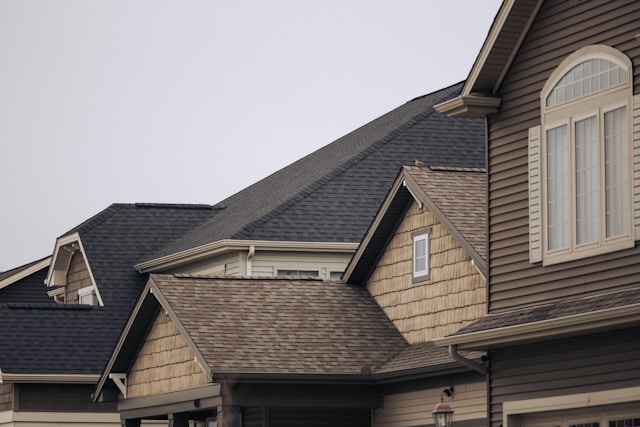

Many homeowners assume that if part of their roof is damaged, the entire roof has to be replaced. In reality, partial roof replacements are extremely common, especially in Austin where hailstorms, strong winds, intense heat, and falling tree branches often damage only certain sections of a roofing system.
In many cases, replacing part of a roof can be a practical and cost-effective solution. However, whether it’s the right decision depends on the condition of the existing roof, the extent of the damage, and how well the new roofing materials can match the old ones.
If you’re dealing with storm damage or an aging roof in the Austin area, understanding how partial roof replacements work can help you make a more informed decision.
Yes — Partial Roof Replacements Are Common
Roofing contractors regularly replace specific sections of roofs rather than the entire system. This is especially true after localized storm damage.
A partial roof replacement may involve replacing:
- One slope or side of the roof
- A damaged valley
- Detached garage roofing
- Patio or porch roofing
- Sections with hail or wind damage
- Areas affected by leaks or fallen debris
In Austin, hailstorms frequently impact one side of a home more heavily depending on wind direction during the storm. That means one section of the roof may be severely damaged while the rest remains in relatively good condition.
When the damage is isolated and the overall roof still has plenty of life remaining, partial replacement can save homeowners thousands of dollars compared to a full reroof.
When a Partial Roof Replacement Makes Sense
Partial roof replacement is often a good option when the roof is still relatively new and the damage is limited to a small area.
For example, partial replacement may make sense if:
- The roof is under 10–15 years old
- Storm damage only affects one section
- Most shingles are still in good condition
- There are no widespread leaks
- The decking underneath remains structurally sound
- Matching shingles are still available
In these situations, replacing only the damaged area can restore protection without requiring a complete replacement.
This is especially common for detached garages, patio covers, or smaller roofing sections that may wear differently than the main roof.
Roof Age Plays a Major Role
One of the biggest factors in deciding between partial and full replacement is the age of the roof.
If the roof is already 15–20 years old, many Austin roofing contractors will recommend replacing the entire system instead of repairing just one section.
There are several reasons for this:
- Older shingles become brittle
- Materials fade significantly over time
- The remaining roof may fail soon anyway
- New shingles may not seal properly with older materials
- Repairs may only temporarily delay future replacement
Even if only one area is damaged, it may not make financial sense to invest in partial repairs if the rest of the roof is near the end of its lifespan.
In many cases, homeowners end up replacing the full roof within a few years anyway.
Matching Shingles Can Be Difficult
One issue many homeowners don’t expect is how difficult it can be to match existing roofing materials.
Manufacturers frequently discontinue colors, styles, and product lines. Even if the same shingles are technically available, older shingles may have faded due to years of sun exposure.
Austin’s intense UV rays can dramatically change shingle color over time.
As a result, partial replacements can sometimes appear patchy or uneven. The new section may stand out visually from the older roof.
Some homeowners don’t mind the cosmetic difference, while others prefer a full replacement for a more consistent appearance.
A reputable roofing contractor should explain what kind of visual match is realistically possible before beginning the project.
Extent of the Damage Matters
Sometimes damage extends beyond the visible shingles.
During an inspection, roofing contractors may discover problems involving:
- Roof decking
- Underlayment
- Flashing
- Ventilation systems
- Moisture intrusion
- Structural issues
If multiple slopes or underlying components are compromised, a full replacement may actually be more cost-effective long term.
For example, if leaks have already caused decking rot beneath several sections of the roof, patching one area may simply postpone additional repairs later.
This is why professional inspections are so important after storms or leaks.
What Roofers Inspect Before Recommending Partial Replacement
A quality roofing contractor should thoroughly inspect the roof before recommending either partial or full replacement.
During the inspection, they may evaluate:
- Shingle condition
- Flashing integrity
- Roof decking
- Attic ventilation
- Soft spots
- Hail impact damage
- Wind damage
- Granule loss
- Water intrusion
- Previous repair quality
The goal is to determine whether the remaining roof still has enough useful life to justify partial replacement.
A trustworthy roofer should explain both the short-term and long-term implications of the decision.
Potential Warranty Concerns
One thing many homeowners don’t realize is that partial roof replacements can sometimes create warranty complications.
Roofing systems are designed to work together as a complete assembly. When new materials are integrated with older roofing components, it can occasionally affect manufacturer warranties or workmanship guarantees.
Potential issues may involve:
- Improper sealing between old and new shingles
- Ventilation compatibility problems
- Underlayment transitions
- Water flow inconsistencies
A reputable Austin roofing contractor should explain any possible warranty limitations upfront before starting the work.
This is one reason why choosing an experienced contractor is so important.
Pros of Partial Roof Replacement
There are several advantages to replacing only part of a roof when conditions are appropriate.
Lower Cost
Partial replacements are generally much less expensive than full roof replacements.
Faster Installation
Most partial roofing projects can be completed quickly with less disruption to the homeowner.
Preserves Functional Roofing
If most of the roof is still in good shape, replacing only the damaged section can maximize the value of the existing roof.
Good Option for Isolated Damage
Localized storm damage often makes partial replacement a practical solution.
Cons of Partial Roof Replacement
There are also some downsides homeowners should consider.
Potential Color Mismatch
New shingles may not perfectly blend with older roofing materials.
Remaining Roof May Fail Later
If the roof is older, additional repairs may still be needed soon.
Warranty Limitations
Some roofing warranties may not fully apply to blended systems.
Structural Issues May Be Hidden
Damage underneath the roofing materials can sometimes be more extensive than expected.
Why Professional Inspections Matter
Homeowners sometimes try to make the partial-versus-full replacement decision based only on what they can see from the ground. Unfortunately, roofing damage is not always obvious.
A professional roofing inspection can identify hidden issues that may affect the long-term performance of the roof. Contractors can also determine whether a partial replacement will properly integrate with the existing roofing system.
In Austin, where roofs deal with constant heat exposure and severe weather throughout the year, catching roofing issues early can help prevent larger structural problems down the road.
Final Thoughts
Yes, you can absolutely replace part of a roof, and partial roof replacements are very common in Austin due to localized hail, wind, and storm damage. In many cases, partial replacement can save homeowners money while still protecting the home effectively.
However, the decision depends on several important factors including roof age, matching materials, and the overall condition of the roofing system.
The best way to determine whether partial or full replacement makes sense is to schedule a professional inspection with a trusted roofing contractor. A thorough evaluation can help identify hidden issues, explain your options clearly, and ensure your roof continues protecting your home for years to come.