If you’re planning for a roof replacement, one of the first questions you’ll have is simple: how much is this going to cost?
The answer depends on several factors, but one of the biggest is the size of your home. Larger homes require more materials, more labor, and more time—all of which directly impact the total cost of a new roof.
However, while size plays a major role, it’s important to understand that roofing costs are never one-size-fits-all. Every project is different, and the final price will always depend on the specific details of your home and roofing system.
Average Roof Cost by Home Size
To give you a general idea, here’s what homeowners can expect to pay for a new roof based on square footage. These estimates are based on typical asphalt shingle roofing, which is the most common option.
| Home Size (Sq Ft) | Estimated Roof Cost |
|---|---|
| 1,000 – 1,500 | $6,000 – $10,000 |
| 1,500 – 2,000 | $8,000 – $14,000 |
| 2,000 – 2,500 | $10,000 – $18,000 |
| 2,500 – 3,000 | $12,000 – $22,000 |
| 3,000 – 4,000 | $15,000 – $30,000 |
These ranges provide a starting point—but they are not exact quotes. The actual cost of your roof may fall outside these ranges depending on several important factors.
Why Roof Size Impacts Cost
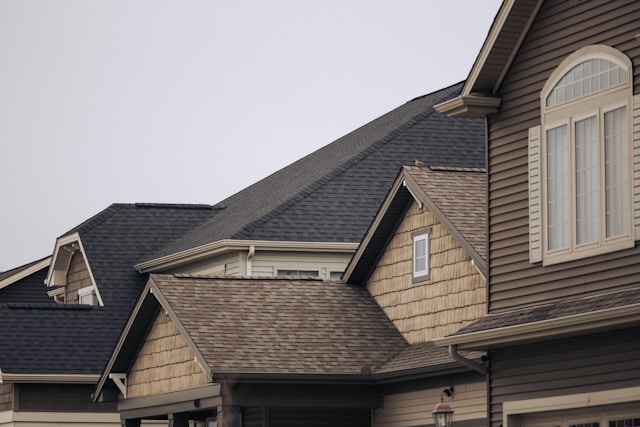
Roofing is typically priced based on the total surface area of your roof, not just your home’s square footage. Roofs often have slopes, peaks, and design features that increase the total area.
As size increases, so does:
- Material usage
- Labor time
- Disposal costs for old roofing materials
- Complexity of installation
This is why larger homes generally come with higher roofing costs.
The Most Important Factor: Every Roof Is Different
While size gives you a general estimate, it’s not the most important factor. The true cost of a new roof depends on the unique characteristics of your home.
Two homes with the same square footage can have very different roofing costs based on design, materials, and condition.
Key factors that affect pricing include:
- Roof pitch (steep roofs require more labor)
- Roof complexity (valleys, dormers, and angles)
- Accessibility (ease of getting materials onto the roof)
- Existing damage or structural issues
- Ventilation and insulation requirements
Because of these variables, the only way to get an accurate price is through a professional inspection and estimate.
Material Choice Makes a Big Difference
The type of roofing material you choose can significantly impact the total cost of your project.
Asphalt Shingles
- Most affordable option
- Great for budget-conscious homeowners
- Shorter lifespan compared to premium materials
Metal Roofing
- Higher upfront cost
- Longer lifespan (40–70+ years)
- Better performance in extreme weather
Tile Roofing
- Premium look and durability
- Higher installation cost
- Heavier material requiring structural support
Stone-Coated Metal
- Combines durability with aesthetic appeal
- Long lifespan and strong weather resistance
- Higher upfront investment but lower long-term cost
Choosing the right material depends on your budget, long-term plans, and performance needs.
Labor and Installation Complexity
Labor is one of the largest components of roofing cost. More complex roofs require more time, expertise, and safety precautions.
Factors that increase labor costs include:
- Steep slopes
- Multi-level roofs
- Tight or difficult access
- Custom design features
Even a moderately sized home can have higher costs if the roof design is complex.
Hidden Costs to Be Aware Of
In some cases, additional work may be required once your old roof is removed. These costs are not always visible upfront.
Potential additional costs include:
- Replacing damaged decking
- Fixing structural issues
- Upgrading ventilation systems
- Addressing water damage
These factors are another reason why estimates can vary from one home to another.
How to Budget for a New Roof
If you’re planning for a roof replacement, it’s a good idea to budget with flexibility in mind.
Here are a few tips:
- Use average cost ranges as a starting point—not a final number
- Set aside a contingency budget for unexpected issues
- Consider long-term value, not just upfront cost
- Compare material options based on lifespan and maintenance
Taking a long-term view can help you make a smarter investment.
When It’s Worth Spending More
While it may be tempting to choose the lowest-cost option, investing in a higher-quality roofing system can pay off over time.
Spending more upfront can result in:
- Fewer repairs
- Longer lifespan
- Better energy efficiency
- Increased home value
In many cases, a slightly higher investment now can save money in the long run.
Why Getting a Professional Estimate Matters
Online estimates and averages can only take you so far. Every roof is unique, and the only way to get an accurate cost is through a professional evaluation.
A roofing contractor can:
- Measure your roof accurately
- Identify potential issues
- Recommend the best materials
- Provide a detailed and realistic estimate
This ensures you’re not surprised by unexpected costs later in the process.
Final Thoughts
The cost of a new roof depends heavily on the size of your home, but size is only part of the equation. Material choice, roof design, labor complexity, and underlying conditions all play a role in determining the final price.
While general estimates can help you plan, every roofing project is unique. The best way to understand your true cost is to have your roof evaluated by a professional who can assess your specific situation.
With the right approach, you can make an informed decision and invest in a roofing system that protects your home and delivers long-term value.