If you’re a homeowner in Austin and starting to think about a roof replacement, one of the first questions that probably comes to mind is simple: how much should I budget for a new roof?
While it’s tempting to look for a single price, roofing costs can vary widely depending on your home, the materials you choose, and the condition of your existing roof. Instead of focusing on a fixed number, it’s much more helpful to understand what factors influence roofing costs in Austin and how to budget realistically.
Below, we’ll walk through the key considerations that affect roof pricing so you can plan ahead and avoid surprises.
Why Roofing Costs Vary So Much
Every home is different, and roofing projects are rarely identical. Two houses in the same Austin neighborhood could have dramatically different roofing costs simply because of:
- Roof size
- Roof slope and complexity
- Type of roofing materials
- Structural condition of the roof deck
- Ventilation and insulation upgrades
Because of these variables, reputable roofing companies typically provide custom estimates after inspecting the roof in person.
The good news is that once you understand what drives the cost, you can estimate your potential budget range much more accurately.
1. The Size of Your Roof
One of the biggest cost factors is simply how large your roof is.
Roofing contractors usually measure roof size in “squares.” One roofing square equals 100 square feet of roof surface.
Larger homes naturally require more:
- shingles
- underlayment
- flashing
- labor hours
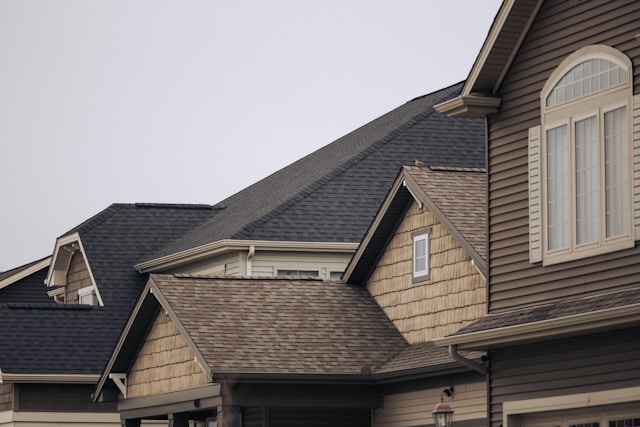
Even homes with the same square footage can have different roof sizes depending on the roof design. A house with multiple peaks, dormers, and valleys often has more roofing surface area than a simple rectangular roof.
For budgeting purposes, homeowners in Austin should keep in mind that roof size is typically the largest contributor to overall project cost.
2. Roofing Materials You Choose
The type of roofing material you install plays a major role in the final price. In Austin, several roofing materials are commonly used:
Asphalt Shingles
Asphalt shingles are the most popular option because they are durable, cost-effective, and perform well in Texas weather. They come in different quality levels, including architectural shingles that provide extra durability and aesthetic appeal.
Metal Roofing
Metal roofs are becoming increasingly popular in Austin thanks to their longevity and heat-reflective properties. They often last much longer than traditional shingles, but the upfront installation cost is typically higher.
Tile Roofing
Clay and concrete tile roofs are common in Central Texas, especially on Mediterranean-style homes. They are extremely durable and attractive but can require specialized installation and structural support.
Composite or Synthetic Materials
Some homeowners choose composite roofing products that mimic the look of slate or wood shakes while offering modern durability.
Each material comes with different price points, lifespans, and maintenance requirements. Choosing the right material is often a balance between budget, aesthetics, and long-term durability.
3. Austin Weather and Roof Durability
Austin’s climate plays an important role in roofing decisions.
Homeowners here deal with several weather challenges:
- Intense summer heat
- Strong UV exposure
- Occasional hailstorms
- Heavy rain events
- High winds during storms
Because of this, many Austin roofing contractors recommend materials designed to handle extreme heat and storm damage.
While higher-quality materials may increase the upfront cost, they can also extend the lifespan of your roof and reduce long-term maintenance expenses.
In other words, the cheapest option initially isn’t always the best value over time.
4. Roof Design and Complexity
Not all roofs are easy to work on.
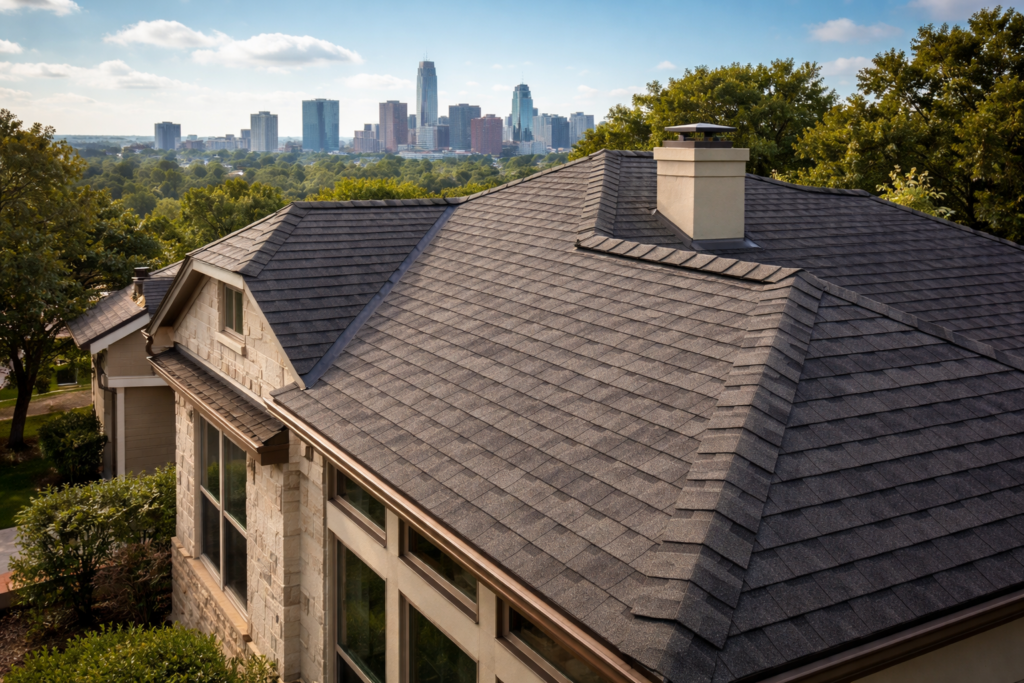
Roofs with steep slopes or complex designs can increase labor time and installation difficulty. Some design features that can impact cost include:
- Multiple roof valleys
- Dormers or skylights
- Chimneys
- Steep pitch roofs
- Multi-story homes
These architectural features require additional flashing, cutting, and safety precautions during installation.
A simple roof structure may be completed faster, while a more complex roof requires more craftsmanship and additional labor hours.
5. Condition of the Existing Roof
Another factor that affects cost is what’s underneath your current shingles.
During roof replacement, contractors remove the old roofing materials to inspect the decking beneath. If the underlying wood structure has been damaged by moisture or age, some sections may need to be replaced.
Possible issues include:
- Rotting roof decking
- Water damage
- Improper previous installations
- Mold or ventilation issues
Most reputable roofing companies won’t know the full condition of the decking until the old roof is removed. That’s why some estimates include contingency allowances for potential repairs.
6. Roof Ventilation Improvements
Roof ventilation is especially important in Austin because of the intense heat.
Poor ventilation can trap hot air in your attic, which may lead to:
- Higher cooling bills
- Shorter roof lifespan
- Warped or curling shingles
- Moisture buildup
Many roof replacements include improvements such as:
- ridge vents
- soffit vents
- attic ventilation upgrades
While these upgrades add to the project cost, they can significantly improve your home’s energy efficiency and help your roof last longer.
7. Labor and Installation Quality
Roof installation is skilled work, and labor quality plays a huge role in the long-term performance of your roof.
Experienced roofing companies invest in:
- trained crews
- safety equipment
- proper insurance
- manufacturer-certified installation practices
Choosing a reputable contractor may cost slightly more upfront, but it helps ensure your roof is installed correctly and backed by reliable warranties.
Poor installation is one of the most common reasons roofs fail prematurely, so it’s worth prioritizing quality workmanship.
8. Permits and Local Regulations
Roofing projects in Austin may also require permits depending on the scope of work. Contractors typically handle these requirements, but the permit fees are often included in the overall estimate.
Local building codes are designed to ensure roofs are installed safely and meet modern standards.
Permits also provide peace of mind that your project complies with city regulations.
9. Timing and Seasonal Demand
Believe it or not, the timing of your roofing project can also affect costs.
Roofing demand in Austin often spikes after:
- major hailstorms
- heavy wind events
- severe storm seasons
When demand is high, roofing schedules fill quickly, and homeowners may need to wait longer for installation.
Planning ahead and scheduling roof work before peak storm season can sometimes provide more flexibility.
Budgeting for a Roof Replacement
When budgeting for a new roof in Austin, homeowners should think in terms of project planning rather than a single price.
A good budgeting approach includes:
- scheduling a professional roof inspection
- requesting multiple estimates
- comparing material options
- understanding warranty coverage
- planning for potential structural repairs
Many homeowners also set aside additional contingency funds for unexpected issues discovered during installation.
The Best Way to Get an Accurate Estimate
The most reliable way to understand your roofing costs is to schedule a professional roof inspection and estimate.
A qualified roofing contractor will evaluate:
- roof size
- material options
- structural condition
- ventilation needs
- installation complexity
From there, they can provide a customized estimate tailored to your home.
Final Thoughts
Roof replacement is a major home investment, but understanding the factors that affect cost can make the process much easier to plan.
Instead of focusing on a single number, it’s more helpful to evaluate:
- roof size
- material quality
- installation complexity
- ventilation needs
- long-term durability
With the right planning and a trusted local roofing contractor, Austin homeowners can budget confidently and choose a roofing solution that protects their home for many years to come.