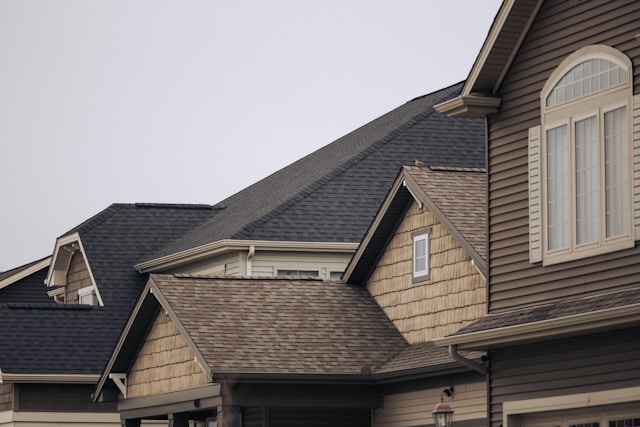
Storms are a regular part of life in Austin and throughout Central Texas. From heavy rain and strong winds to hailstorms and intense lightning, severe weather can take a toll on residential roofing systems.
While some storm damage is obvious, other issues can be subtle and difficult to detect from the ground. Unfortunately, even small areas of roof damage can lead to larger problems if they are left unaddressed.
Understanding the most common signs of storm damage can help homeowners identify potential problems early and take action before minor damage turns into costly repairs.
Missing or Lifted Shingles
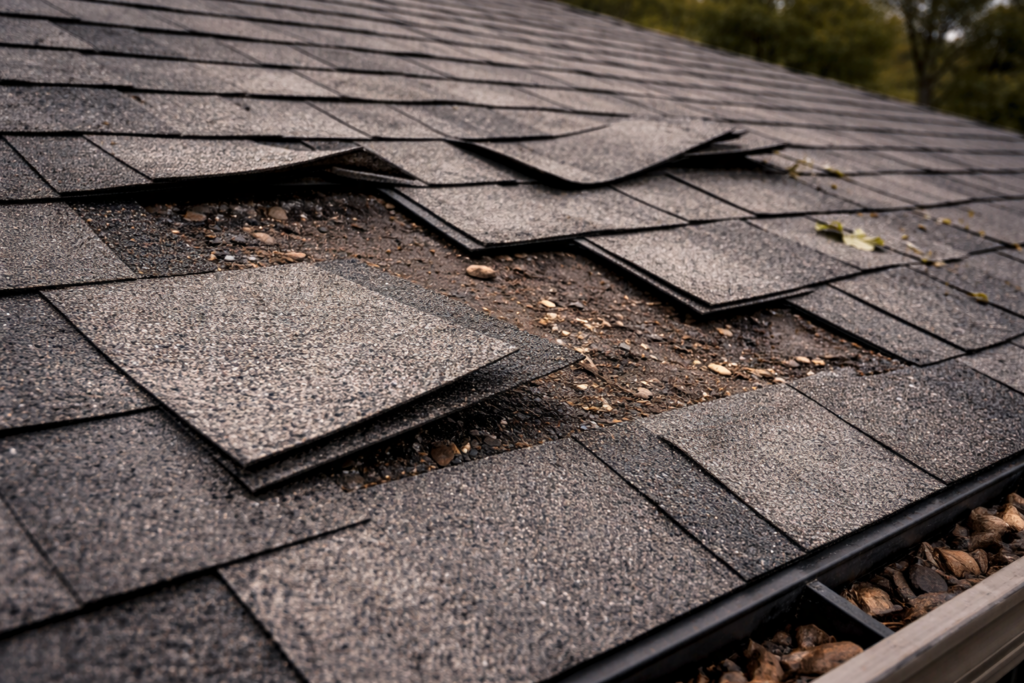
One of the most common signs of storm damage is missing or displaced shingles. Strong winds can lift shingles from the roof, breaking the seal that holds them in place and sometimes tearing them away completely.
After a storm, homeowners may notice shingles on the ground or areas of the roof that appear uneven or exposed.
Even if shingles have not completely detached, wind can loosen them enough to create small gaps where water can enter the roofing system. Over time, this can lead to leaks or damage to the roof decking.
Cracked or Bruised Shingles from Hail
Hailstorms are another common cause of roof damage in Central Texas. When hailstones strike the roof surface, they can create impact marks that damage the protective outer layer of asphalt shingles.
Signs of hail damage may include:
- Small circular dents on shingles
- Areas where protective granules have been knocked loose
- Soft spots or bruising in the shingle surface
- Dented roof vents or flashing
Hail damage is not always immediately obvious, but it can shorten the lifespan of roofing materials by weakening the shingles.
Granule Loss on Asphalt Shingles
Asphalt shingles are coated with protective granules that help shield the roof from UV rays and weather exposure. During severe storms, hail and heavy rain can loosen these granules.
If you notice large amounts of granules collecting in your gutters or downspouts after a storm, it may indicate that the roof surface has experienced impact damage.
Granule loss can expose the underlying asphalt layer to sunlight and weather, which can accelerate the aging of your roof.
Damaged Flashing Around Roof Features
Flashing is the thin metal material installed around roof penetrations such as chimneys, skylights, vents, and valleys. Its purpose is to prevent water from entering the roof system at these vulnerable points.
Strong winds and hail can damage flashing by:
- Bending or denting the metal
- Breaking sealant around the flashing edges
- Loosening flashing components
Because flashing protects areas where leaks commonly occur, even minor damage should be inspected and repaired promptly.
Dented Gutters and Downspouts
Gutters are often one of the first places where storm damage becomes visible. Hail or wind-blown debris can dent or bend gutter systems, affecting their ability to channel water away from the roof and foundation.
Look for signs such as:
- Dents or bends in gutter sections
- Loose or sagging gutters
- Downspouts pulling away from the house
While gutter damage may seem minor, it can lead to drainage problems that allow water to pool on or near the roof.
Water Stains on Ceilings or Walls
Sometimes the first sign of roof damage appears inside the home rather than on the roof itself. Water stains on ceilings or walls can indicate that moisture has entered the roofing system.
After a major storm, homeowners should watch for:
- Brown or yellow stains on ceilings
- Peeling paint near the roofline
- Damp attic insulation
- A musty smell in the attic
These signs may suggest that storm damage has created a pathway for water intrusion.
Debris Accumulation on the Roof
Severe storms often leave behind branches, leaves, and other debris on rooftops. While small debris may not cause immediate damage, larger branches or heavy debris can scrape roofing materials or trap moisture.
Debris buildup in roof valleys can also prevent proper drainage, increasing the risk of leaks.
After storms, it’s a good idea to visually inspect the roof from the ground and check for debris accumulation.
Damaged Roof Vents or Ridge Caps
Roof vents and ridge caps are exposed components that can be affected by high winds or hail impacts.
Signs of storm damage may include:
- Cracked plastic vent covers
- Dented metal vents
- Loose ridge cap shingles
- Missing ventilation covers
Because these areas protect openings in the roof, damage can quickly lead to leaks if not addressed.
Why Professional Inspections Matter After a Storm
While homeowners can sometimes identify obvious damage from the ground, many roofing problems require a closer inspection to detect. Professional roofing contractors are trained to identify subtle signs of storm damage that may not be immediately visible.
A professional roof inspection typically includes:
- Examining shingles for impact damage
- Checking flashing and roof penetrations
- Inspecting attic spaces for signs of leaks
- Evaluating gutters and drainage systems
Identifying storm damage early allows homeowners to make repairs before the damage worsens.
What to Do if You Suspect Roof Storm Damage
If you suspect your roof may have been damaged during a recent storm, it’s important to take action quickly.
Homeowners should consider:
- Documenting visible damage with photos
- Scheduling a professional roof inspection
- Checking gutters and drainage systems
- Monitoring interior ceilings for signs of leaks
Addressing storm damage early can help protect your home and prevent more extensive repairs later.
Final Thoughts
Storm damage is one of the most common causes of roofing problems for homeowners in Austin and throughout Central Texas. High winds, hail, and heavy rain can all affect the condition of your roof in different ways.
By understanding the most common warning signs of storm damage, homeowners can stay proactive about roof maintenance and respond quickly when issues arise.
Regular roof inspections and prompt repairs are the best way to ensure your roof continues protecting your home through future storms.