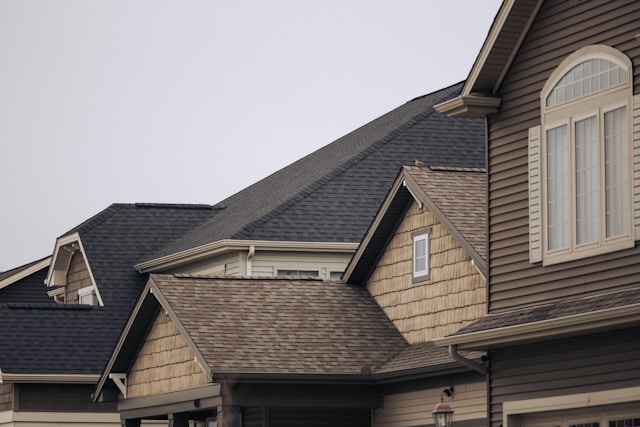
Austin homeowners deal with a lot more than sunshine throughout the year. Between spring hailstorms, summer heat, heavy rain, and sudden wind events, roofs in Central Texas take a beating. Even if your roof looks fine from the ground, small issues can develop into expensive repairs if they go unnoticed for too long. That’s why regular roof inspections are one of the most important parts of maintaining your home.
Whether you recently experienced a storm, are buying a house, or simply want to protect your investment, understanding the typical roof inspection process can help you know what to expect and why it matters.
Why Roof Inspections Matter in Austin
The Austin climate creates unique challenges for roofing systems. Extreme UV exposure can dry out shingles over time, while hail and wind can loosen materials or create hidden damage. In many cases, homeowners don’t realize there is a problem until they notice water stains, rising energy bills, or visible leaks inside the home.
A professional roof inspection helps identify issues early before they become larger structural problems. It can also help extend the lifespan of your roof, improve energy efficiency, and provide documentation for insurance claims if storm damage is discovered.
Many roofing professionals in the Austin area recommend scheduling a roof inspection at least once per year, especially after major weather events.
Step 1: Initial Exterior Assessment
Most roof inspections begin with a visual assessment of the exterior of the home. The inspector will usually walk around the property first to evaluate the overall condition of the roofing system and look for obvious warning signs.
During this stage, they may check for:
- Missing or lifted shingles
- Sagging rooflines
- Visible storm damage
- Damaged flashing
- Clogged gutters
- Debris accumulation
- Signs of poor drainage
- Mold or algae growth
Austin homes surrounded by large oak trees often collect leaves and branches that trap moisture on the roof. Over time, this can speed up deterioration and create areas where water pools.
The exterior inspection also helps identify areas that may need a closer evaluation once the inspector gets on the roof.
Step 2: Climbing and Inspecting the Roof Surface
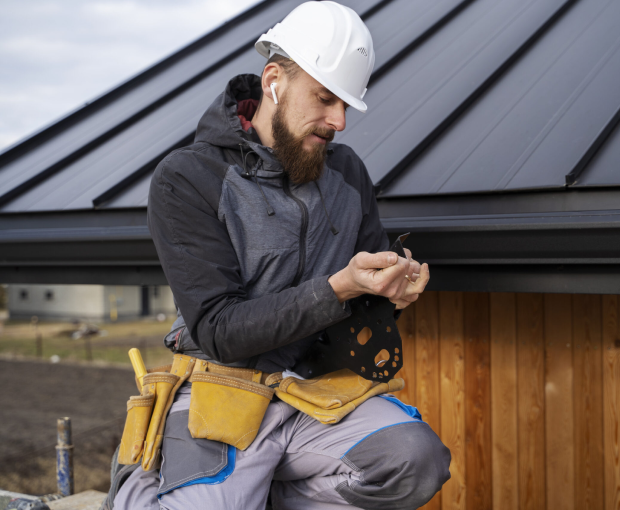
After the ground-level assessment, the roofing professional will usually climb onto the roof for a more detailed inspection. Safety equipment is often used depending on the roof’s pitch and condition.
Once on the roof, the inspector examines the materials up close. For asphalt shingle roofs, which are common throughout Austin neighborhoods, they typically look for:
- Cracked shingles
- Curling edges
- Granule loss
- Nail pops
- Soft spots
- Storm impact damage
- Improper installation issues
If the home has a metal, tile, or flat roofing system, the inspection process may vary slightly depending on the material.
The inspector will also closely examine flashing around vents, chimneys, skylights, and valleys. Flashing failures are one of the most common sources of roof leaks in Texas homes because these areas are especially vulnerable during heavy rain.
Step 3: Checking for Storm and Hail Damage
Austin and the surrounding Central Texas region frequently experience hailstorms and strong wind events. Because of this, storm damage inspections are often a major focus.
Some hail damage can be difficult for homeowners to spot without training. A roofing professional may look for:
- Bruising on shingles
- Circular impact marks
- Cracked seal strips
- Exposed fiberglass mats
- Dents on metal components
- Damage to vents or gutters
Wind damage is also common after severe thunderstorms. High winds can loosen shingles or break the adhesive seal that helps protect your roof from water intrusion.
If damage is found, the roofing contractor may take photos and document the issues for insurance purposes.
Step 4: Inspecting Gutters and Drainage Systems
Your gutters play an important role in protecting your roof and foundation. During the inspection process, contractors often evaluate the gutter system to make sure water is flowing properly away from the home.
Clogged or damaged gutters can lead to standing water, roof rot, fascia damage, and even foundation problems. Austin’s seasonal storms can quickly overwhelm poorly maintained drainage systems, especially when leaves and debris build up.
Inspectors may check for:
- Loose gutter sections
- Rust or corrosion
- Improper slope
- Overflow areas
- Blockages
- Downspout issues
In some cases, problems with drainage can shorten the lifespan of an otherwise healthy roof.
Step 5: Attic and Interior Inspection
A thorough roof inspection often includes checking the attic or interior areas of the home. This helps identify hidden moisture problems that may not be visible from the outside.
Inside the attic, inspectors commonly look for:
- Water stains
- Mold growth
- Damp insulation
- Poor ventilation
- Light penetration
- Wood rot
- Condensation buildup
Proper attic ventilation is especially important in Austin because extreme summer temperatures can trap heat inside the attic. Poor airflow can increase cooling costs and cause roofing materials to age faster.
The inspector may also check ceilings and walls inside the home for signs of leaks or moisture intrusion.
Step 6: Reviewing Findings and Recommendations
Once the inspection is complete, the roofing professional will typically provide a summary of their findings. This may include photos, recommendations, and an estimate if repairs are needed.
Depending on the condition of the roof, the contractor may recommend:
- Minor repairs
- Replacing damaged shingles
- Sealing flashing
- Improving ventilation
- Gutter repairs
- Full roof replacement
Not every inspection results in major repairs. In many cases, homeowners simply gain peace of mind knowing their roof is still in good condition.
If insurance-related storm damage is discovered, some roofing companies in Austin may also assist homeowners through the claims process.
How Long Does a Roof Inspection Take?
Most residential roof inspections take between 45 minutes and two hours depending on the size and complexity of the roof. Larger homes or roofs with steep pitches may require additional time.
If drone technology or thermal imaging is used, the process may also vary slightly.
When Should Austin Homeowners Schedule a Roof Inspection?
There are several good times to schedule a professional inspection in the Austin area:
- After a hailstorm
- Following heavy wind events
- Before buying or selling a home
- If you notice interior leaks
- When your roof is over 10 years old
- Before hurricane season remnants move inland
- As part of annual home maintenance
Even newer roofs can develop issues over time, especially with Texas weather conditions.
Final Thoughts
Your roof protects everything underneath it, so regular inspections are one of the smartest investments you can make as a homeowner. In Austin, where heat, hail, and storms are common, catching small roofing problems early can save thousands of dollars in future repairs.
A professional roof inspection provides a detailed look at the condition of your roofing system, identifies hidden damage, and helps ensure your home stays protected year-round. Whether you suspect storm damage or simply want to stay ahead of maintenance, scheduling an inspection can help extend the life of your roof and give you confidence that your home is ready for whatever Texas weather brings next.