One of the most common misconceptions about roofing is that all roofs have roughly the same lifespan. In reality, the difference between different types of roof can be measured in decades.
For homeowners considering a roof replacement, longevity is often an important part of the decision. A roof is a significant investment, and understanding how long different materials typically last can help put both the upfront cost and long-term value into perspective.
Of course, no roof exists in a vacuum. Climate, installation quality, ventilation, maintenance, and severe weather all influence how long a roofing system ultimately performs. In Central Texas, where roofs endure intense sunlight, summer heat, hailstorms, and occasional high winds, those factors become especially important.
While no roofing material lasts forever, some are built to provide protection for far longer than others.
Asphalt Shingle Roofing
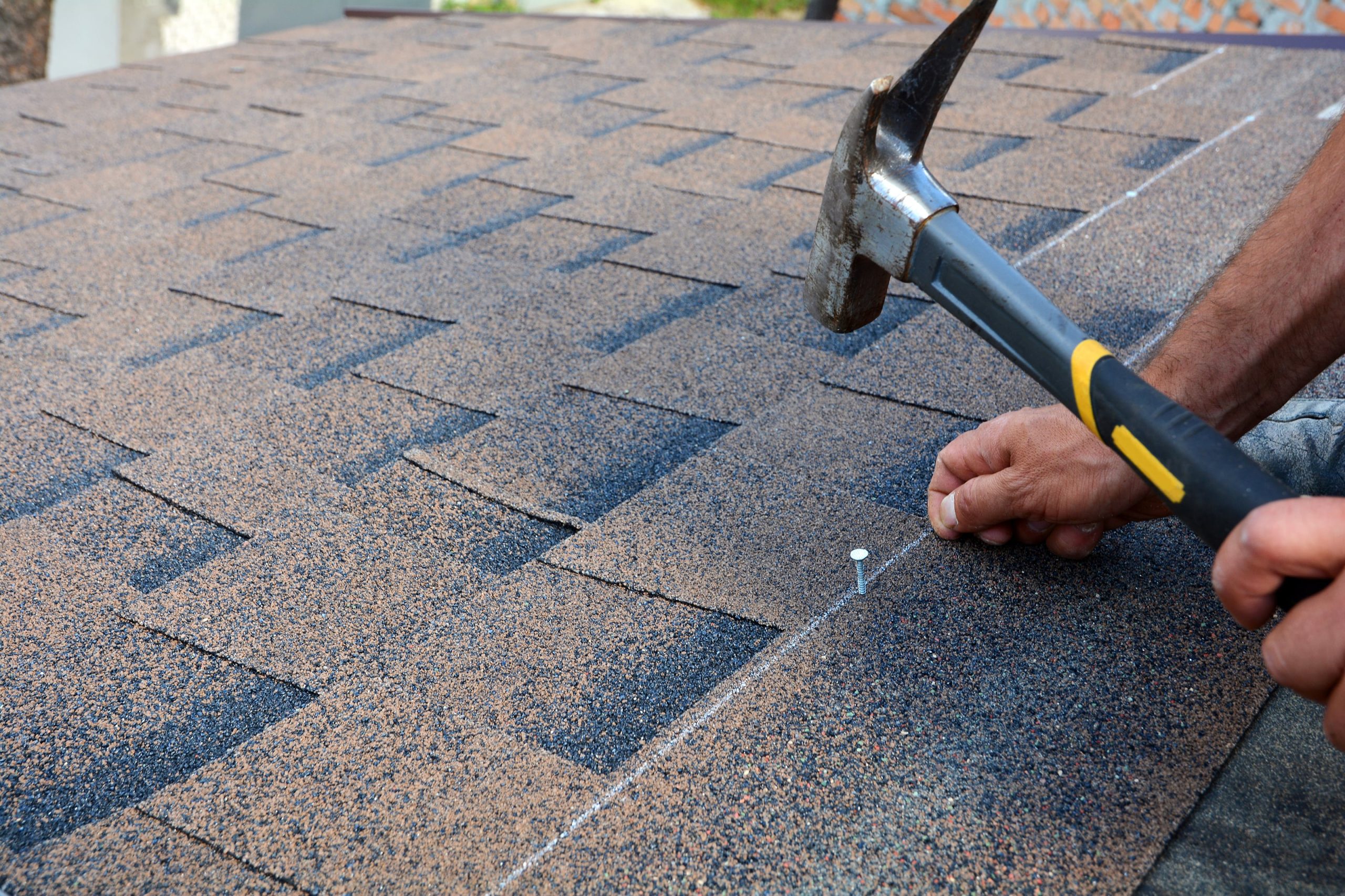
Asphalt shingles are the most common types of roofs found on homes throughout Texas and much of the United States. Their popularity comes from a combination of affordability, versatility, and proven performance.
Most modern architectural shingle roofs have an expected lifespan of approximately 20 to 30 years. Higher-end products may perform beyond that range under ideal conditions, while severe weather can shorten it.
One advantage of asphalt shingles is that they continue to evolve. Today’s shingles are significantly more durable than those installed a generation ago, with many products offering improved wind resistance and impact ratings.
For many homeowners, asphalt shingles represent a practical balance between cost and longevity.
Standing Seam Metal Roofing
Standing seam metal roofing has earned a reputation as one of the most durable residential types of roofs.
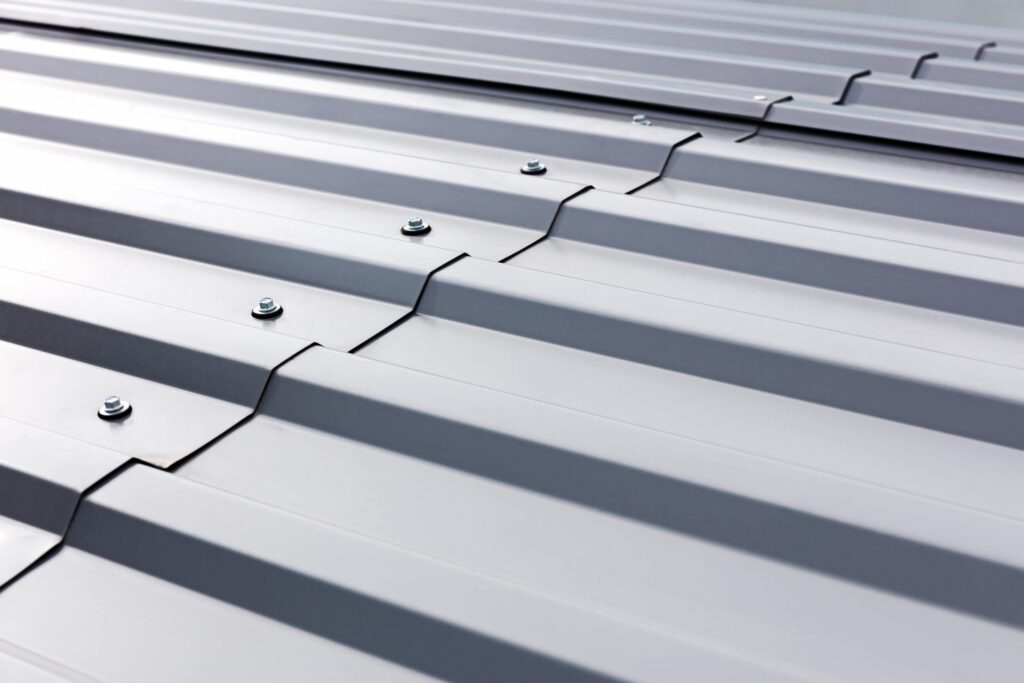
Unlike traditional exposed-fastener metal roofs, standing seam systems conceal the fasteners beneath raised seams. This design helps reduce wear and minimizes potential points of water intrusion over time.
A properly installed standing seam metal roof often lasts between 40 and 70 years.
Another reason homeowners are increasingly drawn to metal roofing is its performance in challenging climates. Metal handles prolonged sun exposure exceptionally well and is not susceptible to the same gradual drying and aging that affects asphalt-based materials.
Many homeowners view standing seam roofing as a long-term investment that may outlast multiple generations of conventional shingles.
Stone-Coated Metal Roofing
Stone-coated metal roofing combines the durability of steel with the appearance of more traditional roofing materials.
From the street, many homeowners mistake stone-coated metal for tile, shake, or dimensional shingles. Beneath the textured finish, however, is a metal roofing system designed to provide enhanced durability and weather resistance.
Most stone-coated metal roofs can be expected to last between 40 and 60 years.
This category has grown in popularity because it offers many of the longevity benefits associated with metal roofing while maintaining a more traditional residential appearance.
For homeowners seeking a balance between aesthetics and durability, stone-coated metal often occupies a unique middle ground.
Tile Roofing
Tile roofing is one of the types of roofs that has been used for centuries and remains one of the longest-lasting roofing systems available today.
Both clay and concrete tile roofs can routinely last 50 years or longer. In many cases, the tiles themselves remain functional long after other components of the roofing system have required replacement or maintenance.
Tile performs particularly well in hot climates. The material is naturally resistant to UV exposure, insects, and rot, and its thermal properties make it especially well-suited to regions that experience prolonged periods of heat.
Many homeowners are surprised to learn that some tile roofs can remain in service for generations when properly maintained.
While tile generally requires a larger upfront investment than asphalt shingles, its longevity often becomes part of the value proposition.
Flat Roofing Systems
Flat roofing is a category rather than a single material, encompassing several different roofing technologies commonly used on commercial buildings and modern residential designs.
The lifespan of a flat roof depends heavily on the specific system installed.
Many modern flat roofing systems provide 20 to 40 years of service when properly maintained. Advances in roofing membranes and installation methods have significantly improved the durability and performance of flat roofs over the past several decades.
As with any roofing system, routine inspections and preventative maintenance play a major role in maximizing lifespan.
Longevity Is About More Than the Roofing Material
When comparing roofing materials, it’s tempting to focus solely on the projected lifespan of each option.
In reality, roofing performance depends on an entire system working together.
Ventilation affects temperature and moisture levels within the attic. Flashing protects vulnerable areas around penetrations and transitions. Underlayment serves as an additional layer of protection beneath the finished roofing material. Workmanship determines whether these components function as intended.
Even the most durable roofing material can underperform if the roof system is poorly designed or installed.
Conversely, a properly installed roofing system that is inspected and maintained regularly will often exceed expectations.
Choosing the Right Roof for Your Home
The longest-lasting roof is not necessarily the best roof for every homeowner.
Some prioritize maximum lifespan and are willing to invest in tile or metal roofing systems that may protect the home for decades beyond a traditional asphalt roof.
Others prefer a solution that offers a lower upfront investment while still providing reliable performance and attractive curb appeal.
The right choice depends on a variety of factors, including budget, architectural style, long-term ownership plans, maintenance preferences, and local weather conditions.
Understanding the strengths and expected lifespan of each roofing material is an important first step in making an informed decision.
Final Thoughts
When comparing common residential roofing materials, tile roofing and standing seam metal roofing generally offer the longest service lives, often lasting 50 years or more. Stone-coated metal follows closely behind, while architectural asphalt shingles continue to provide dependable performance for homeowners seeking a more economical option.
The most successful roofing decisions are rarely based on lifespan alone. They are made by considering how a roofing material will perform on a specific home, in a specific climate, over many years of service.
A quality roof should do more than last. It should provide reliable protection, complement the home’s appearance, and deliver value throughout its lifetime.