Most homeowners understand that roof repairs are sometimes necessary, but few know what actually happens once a roofing contractor arrives on site. In many cases, a roof repair involves far more than simply replacing a missing shingle.
A professional roofer’s first job is determining why the problem occurred in the first place. A water stain on the ceiling, a shingle found in the yard, or a small leak during a storm may all point to very different issues within the roofing system.
Understanding how roofers diagnose and repair shingle roofs can help homeowners make informed decisions and better understand what they’re paying for when repairs become necessary.
Every Repair Begins with an Inspection
Before any materials are removed or replaced, a roofing contractor will inspect the roof to determine the source of the problem.
One of the most common misconceptions homeowners have is that leaks always occur directly above the area where water appears inside the home. In reality, water can travel along decking, rafters, underlayment, and other components before becoming visible indoors.
During an inspection, roofers typically evaluate:
- The condition of the shingles
- Flashing around penetrations and walls
- Valleys and transitions
- Ridge vents and ventilation systems
- Exposed nail heads
- Gutters and drainage patterns
- Signs of storm damage
- The condition of the roof deck
Only after identifying the actual cause of the problem can a proper repair plan be developed.
Replacing Missing Shingles
One of the most straightforward repairs involves replacing shingles that have blown off during a storm.
High winds can break adhesive seals and lift shingles, particularly on older roofs where the shingles have become brittle over time. Once a shingle is missing, the underlayment and decking below become more vulnerable to moisture intrusion.
To complete this repair, a roofer carefully lifts surrounding shingles, removes any damaged fasteners, installs replacement shingles, and secures them according to manufacturer specifications.
The goal is not only to replace the missing material but also to restore the roof’s ability to shed water properly.
Repairing Damaged Shingles
Not every damaged shingle needs to be replaced immediately.
Sometimes a shingle may be cracked, creased, torn, or partially lifted without affecting a large section of the roof. In these situations, roofers evaluate whether a localized repair can restore the integrity of the roofing system.
Storm damage, falling branches, foot traffic, and aging can all contribute to isolated shingle damage.
If the surrounding roofing materials remain in good condition, targeted repairs are often a practical solution that extends the life of the roof without requiring a larger project.
Fixing Roof Leaks Around Flashing
Many roof leaks have little to do with shingles themselves.
In fact, flashing failures are among the most common causes of roof leaks.
Flashing is the metal material installed around roof penetrations and transitions, including:
- Chimneys
- Skylights
- Plumbing vents
- Roof-to-wall intersections
- Dormers
Over time, flashing can loosen, corrode, separate from surrounding materials, or develop gaps that allow water to enter.
When this occurs, a roofer may remove nearby shingles, replace or repair the flashing, install new underlayment where necessary, and reinstall roofing materials to create a watertight seal.
In many cases, addressing flashing problems permanently resolves leaks that homeowners initially assumed were caused by damaged shingles.
Repairing Storm Damage
Storm-related roof repairs vary considerably depending on the type and severity of damage.
Wind damage may involve lifted shingles, broken seals, or missing roofing materials. Hail damage can remove protective granules, crack shingles, or create impact points that weaken the roof over time.
After a storm, roofers typically perform a thorough inspection to determine whether repairs are sufficient or whether the roof has sustained enough damage to justify a larger replacement project.
When repairs are appropriate, damaged areas are isolated and restored while preserving as much of the existing roofing system as possible.
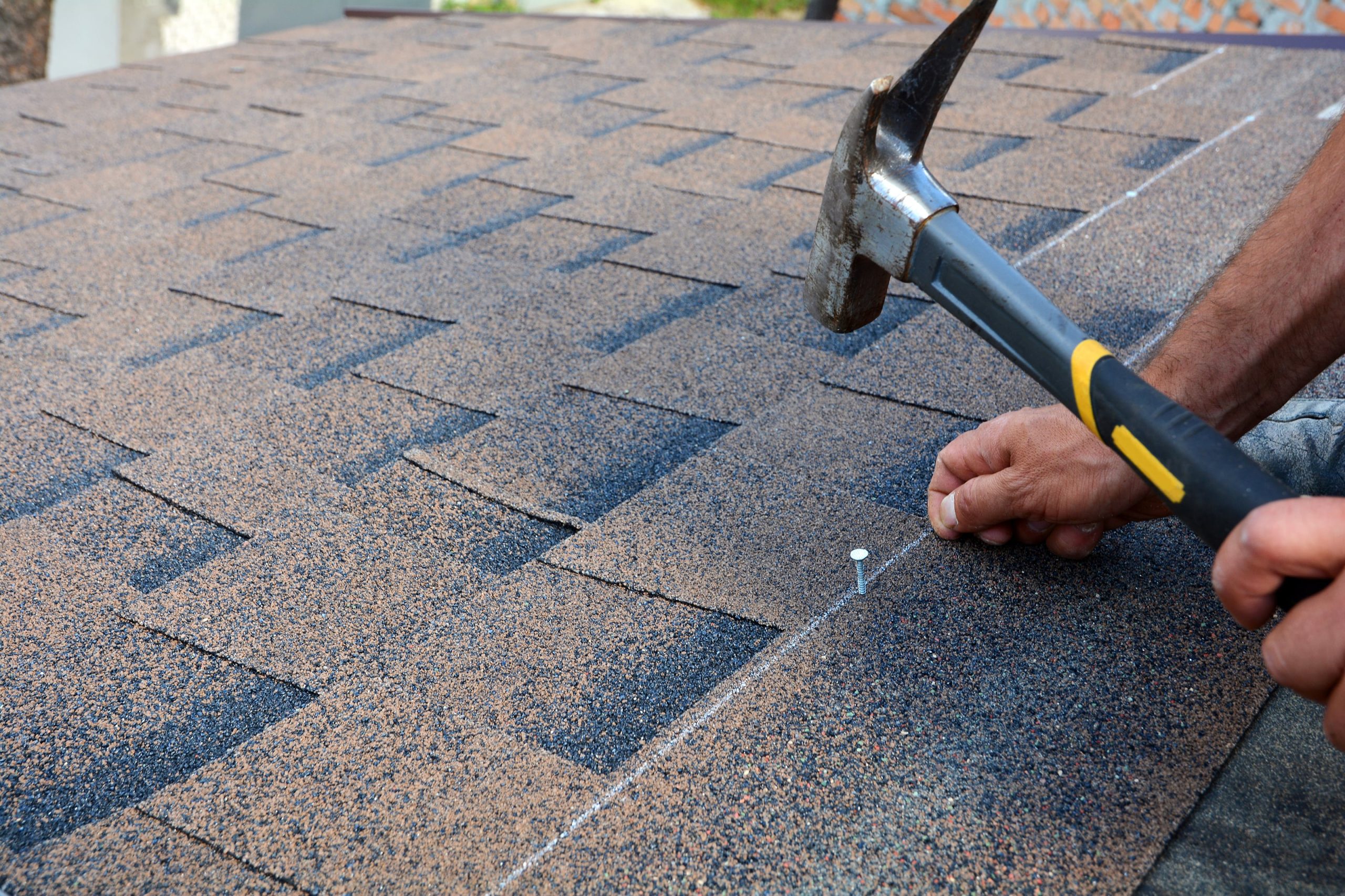
Addressing Nail Pops
Nail pops are a common issue on aging shingle roofs.
As roofing systems expand and contract due to temperature changes, nails can gradually work their way upward. When this occurs, the nail head may push against the shingle above it, creating a raised area that becomes vulnerable to water intrusion.
A roofer typically repairs nail pops by removing the affected fastener, securing the area with new fasteners, and replacing damaged shingles if necessary.
While nail pops may seem minor, addressing them promptly can help prevent future leaks.
Repairing Roof Valleys
Roof valleys handle a tremendous amount of water during heavy rain.
Because two roof slopes meet in a valley, water naturally concentrates in these areas. Over time, improper installation, debris buildup, aging materials, or storm damage can cause valley-related leaks.
Repairing a valley often requires removing shingles from the affected area, inspecting the underlying materials, replacing damaged underlayment, and rebuilding the valley according to current best practices.
Valley repairs are often more involved than replacing individual shingles because they affect one of the most important drainage areas on the roof.
Decking Repairs Beneath the Shingles
Sometimes the problem extends below the roofing materials entirely.
If moisture has penetrated the roofing system for an extended period, the roof decking may become soft, warped, or deteriorated.
When this occurs, roofers remove the affected roofing materials, cut out damaged decking, install new wood sheathing, and rebuild the roofing system above it.
This type of repair addresses the underlying structural issue rather than simply covering it with new shingles.
Matching Existing Roofing Materials
One challenge with shingle repairs is blending new materials with the existing roof.
Over time, sunlight, weather exposure, and age change the appearance of roofing materials. Even when a contractor uses the same product line and color, newly installed shingles may initially appear different from older sections of the roof.
Experienced roofers work to find the closest available match and place repairs strategically whenever possible. While a perfect match is not always achievable, quality repairs should maintain the performance and appearance of the roof.
When Repairs Are No Longer the Best Option
Not every roof problem can or should be repaired.
Sometimes a roof has reached a point where repeated repairs become less practical than replacement. This often occurs when:
- The roof is nearing the end of its lifespan
- Multiple leaks are present
- Widespread storm damage exists
- Shingles are brittle throughout the roof
- Previous repairs have become extensive
A reputable roofing contractor will explain when repairs make sense and when a larger investment may provide better long-term value.
Why Professional Repairs Matter
Shingle roofs are designed as integrated systems. Every component—from the shingles and underlayment to the flashing and ventilation—works together to protect the home.
Professional roof repairs focus on restoring the entire system rather than simply addressing visible symptoms. A properly executed repair not only stops an immediate problem but also helps prevent future issues from developing.
This is why an experienced roofing contractor spends as much time diagnosing the cause of a problem as performing the repair itself.
Get Help Repairing Your Austin Roof
Roof repairs come in many forms, from replacing a few missing shingles to rebuilding valleys, flashing systems, or damaged decking. While the specific repair depends on the problem being addressed, the process always begins with identifying the true source of the issue.
The most effective roof repairs don’t simply cover damage—they restore the roofing system’s ability to protect the home from future weather and wear. By understanding how professional roofers approach repairs, homeowners can make more informed decisions and better protect one of their property’s most valuable assets.