For many homeowners, choosing a new roof eventually comes down to two options: metal roofing or asphalt shingles.
Both are widely used throughout Texas. Both can provide years of reliable protection. Both have evolved significantly over the past few decades. Yet they represent two very different approaches to roofing.
One prioritizes affordability and flexibility. The other emphasizes longevity and long-term performance.
The truth is that neither roofing system is universally better. The right choice depends on your budget, how long you plan to own the home, your maintenance expectations, and what you want from the roof over the coming decades.
Understanding the strengths and tradeoffs of each material can help make that decision easier.
Why Asphalt Shingles Remain So Popular
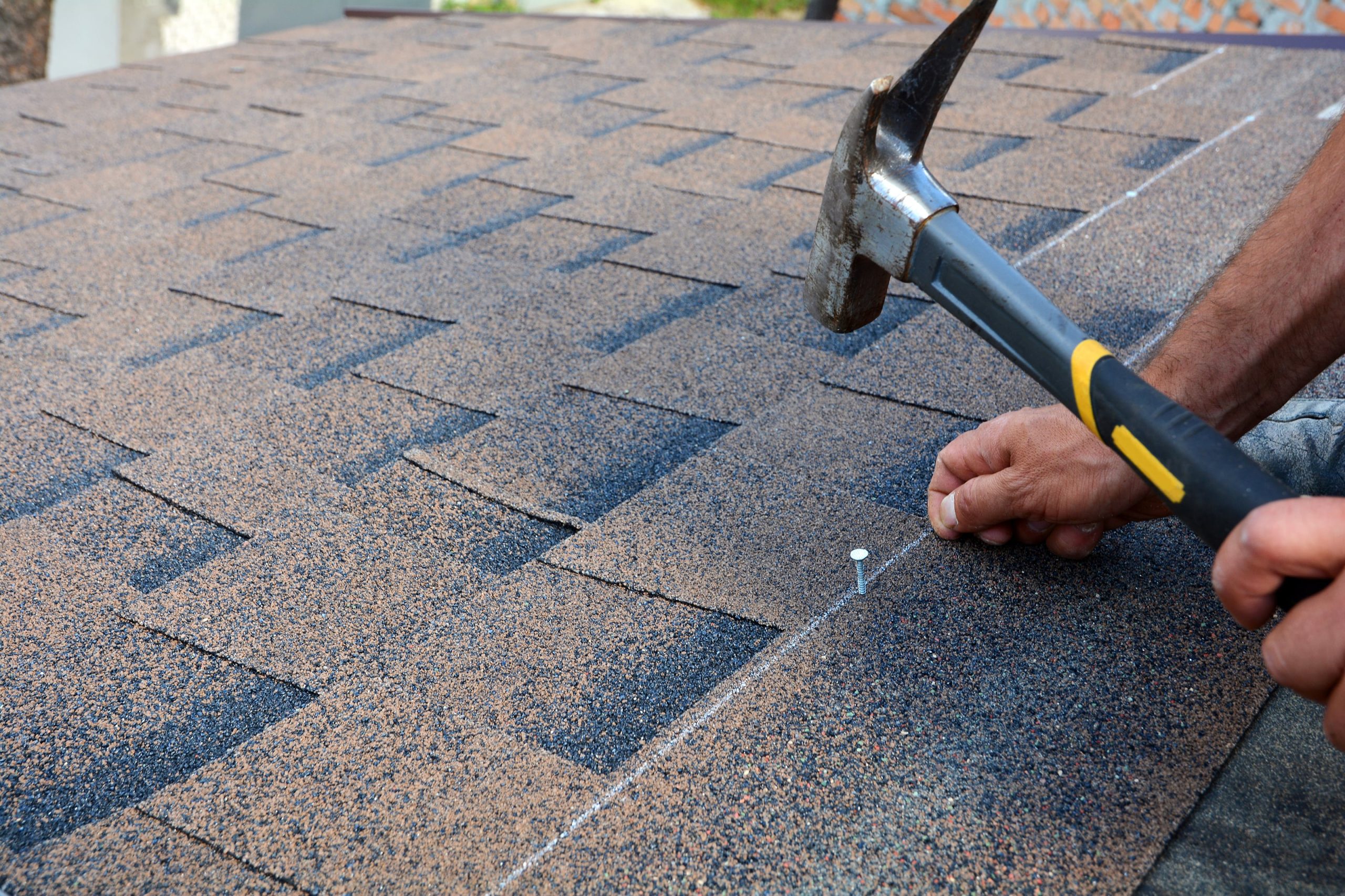
Asphalt shingles provide a combination of affordability, appearance, and performance that appeals to a wide range of homeowners. Modern architectural shingles are available in numerous colors and styles, allowing homeowners to complement almost any architectural design.
They are also relatively straightforward to install and repair. If a portion of the roof is damaged during a storm, repairs can often be completed without replacing an entire roofing section.
For many homeowners, asphalt shingles represent the most practical balance between upfront cost and long-term performance.
Most architectural shingle roofs can be expected to last between 20 and 30 years, depending on the product selected, installation quality, weather exposure, and maintenance.
What Makes Metal Roofing Different
Metal roofing approaches the same problem from a different perspective. A properly installed standing seam metal roof can often last 40 to 70 years or more. Unlike asphalt shingles, metal does not gradually dry out from years of sun exposure. It won’t lose protective granules over time, and it is generally less susceptible to many of the age-related issues that affect traditional roofing materials.
For homeowners planning to remain in their homes for decades, metal roofing can be an attractive long-term investment.
Many people are surprised to learn that today’s metal roofs also offer a much broader range of aesthetic options than they did in the past. Modern metal roofing systems can complement contemporary, traditional, farmhouse, and even luxury home designs.
Comparing Lifespan
One of the clearest differences between the two materials is expected lifespan.
A typical architectural shingle roof may provide 20 to 30 years of service.
A standing seam metal roof may provide 40 to 70 years of service.
That doesn’t necessarily mean a metal roof is twice as valuable, but it does mean many homeowners could own a metal roof for decades longer before facing another major replacement project.
For some families, that extended lifespan becomes one of the primary reasons for choosing metal.
How Texas Weather Impacts Both Roofing Systems
Central Texas presents unique challenges for roofing materials.
Summer temperatures regularly climb into the triple digits. Roof surfaces can become dramatically hotter than the ambient air temperature. Severe thunderstorms, hail events, and high winds are also part of life throughout much of the region.
Both asphalt shingles and metal roofing are designed to withstand these conditions, but they respond differently over time.
Asphalt shingles gradually age as prolonged UV exposure and heat break down the materials. This process occurs slowly and is expected as part of a shingle roof’s lifecycle.
Metal roofing is generally less affected by long-term sun exposure. Because the material itself does not degrade in the same way asphalt does, metal roofs often maintain their structural integrity longer.
However, no roofing material is completely immune to severe weather. Large hail events can affect both systems, and proper installation remains critical regardless of the material selected.
Maintenance Considerations
Every roof requires some degree of maintenance.
Debris should be removed, gutters should be cleaned, and periodic inspections should be performed regardless of roofing type.
That said, metal roofing generally requires less ongoing maintenance related to aging. Because there are fewer individual components exposed to the elements, there are fewer opportunities for wear and deterioration over time.
Asphalt shingles are also relatively low maintenance, but they are more likely to experience age-related issues such as granule loss, curling, or cracking as the roof gets older.
Neither system is maintenance-free, but metal roofing tends to require fewer age-related repairs during its lifespan.
Appearance Is More Subjective Than Most Homeowners Think
Some homeowners immediately prefer the look of shingles. Others are drawn to the clean lines and modern appearance of standing seam metal roofing.
The good news is that both options offer significant design flexibility.
Architectural shingles are available in a wide range of colors and profiles. Metal roofing systems are also available in numerous finishes and can complement everything from Hill Country homes to modern custom residences.
In many cases, appearance comes down to personal preference and the architectural style of the home.
The Cost Conversation
Cost is often where the decision becomes more complicated.
Asphalt shingles typically require a lower upfront investment, which is one reason they remain the most common residential roofing material.
Metal roofing generally costs more initially due to both material and installation requirements.
However, homeowners often view metal roofing differently. Rather than focusing solely on the initial price, they consider the potential lifespan of the roof and the possibility of avoiding another full roof replacement for many years.
Whether that long-term value justifies the additional investment depends on the homeowner’s goals and how long they expect to remain in the property.
So Which Is Better?
The answer depends on what “better” means to you.
If you’re looking for the most economical roofing solution that still offers dependable performance, architectural shingles remain an excellent choice. They are attractive, widely available, and capable of protecting a home for decades when properly installed.
If longevity is a primary goal and you’re willing to invest more upfront, metal roofing offers advantages that are difficult to ignore. Its durability, lifespan, and resistance to age-related deterioration make it one of the strongest long-term roofing options available.
Neither roofing system is inherently superior in every situation. Both have earned their place on homes throughout Texas because both solve different homeowner needs.
Find the Roofing Type that is Right For Your Austin Home
Metal roofing and asphalt shingles each offer distinct advantages. Shingles continue to provide an affordable, versatile, and proven roofing solution for millions of homeowners. Metal roofing offers exceptional longevity, durability, and long-term value that many homeowners find appealing.
The best choice ultimately depends on your budget, your plans for the home, and what matters most to you over the life of the roof. A conversation with an experienced roofing professional can help you evaluate both options and determine which roofing system is the best fit for your property.