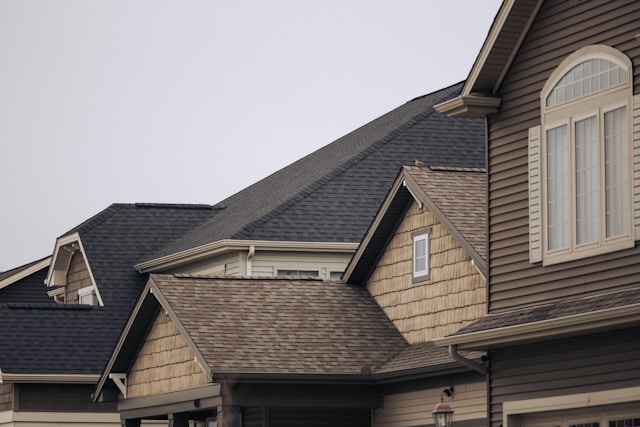
One of the most common questions homeowners ask is how long their roof is expected to last. While roofing materials are designed for durability, the actual lifespan of a roof can vary depending on several factors, including the material used, installation quality, and the local climate.
In Austin, roofs must withstand intense summer heat, strong UV exposure, seasonal storms, and occasional hail. These environmental conditions can influence how roofing materials age over time.
Understanding the typical lifespan of different roofing materials can help homeowners plan for maintenance, repairs, and eventual replacement.
Average Lifespan of Asphalt Shingle Roofs
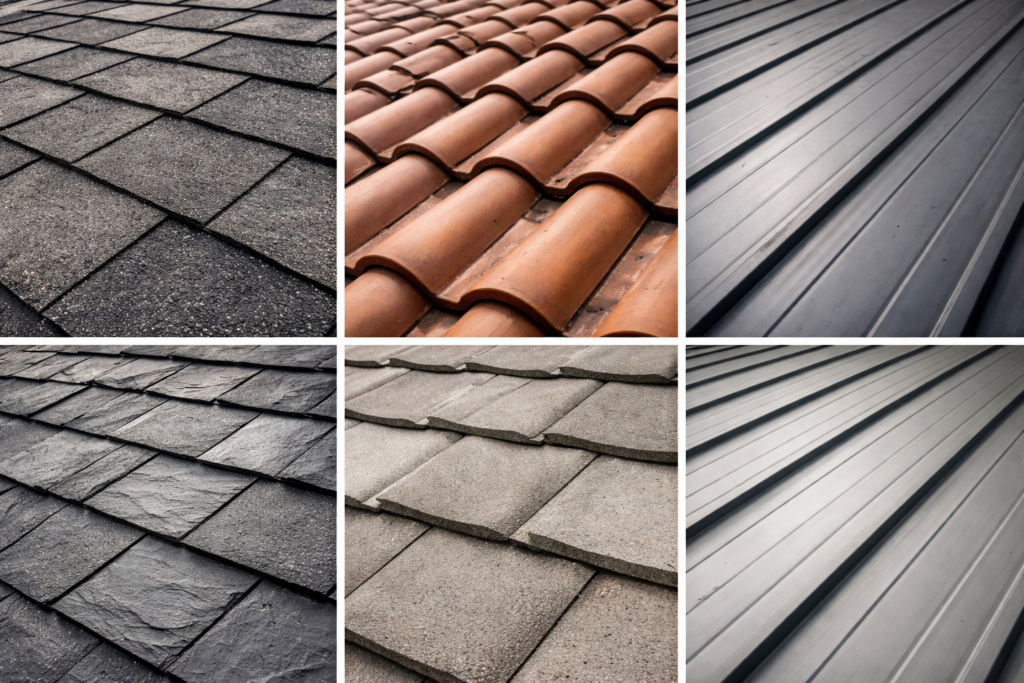
Asphalt shingles are the most common roofing material used on homes in Austin. They are popular because they provide reliable protection while complementing many architectural styles.
The lifespan of asphalt shingles depends on the type of shingle and the conditions they are exposed to.
- Standard three-tab shingles typically last around 15–20 years
- Architectural shingles often last 20–30 years
Architectural shingles are thicker and more durable, which is why many homeowners choose them when installing a new roof.
Metal Roof Lifespan
Metal roofing has become increasingly popular in Austin due to its durability and modern appearance. Metal roofs are designed to withstand harsh weather conditions and provide long-lasting protection.
Many metal roofs can last between 40 and 70 years depending on the material and installation quality.
Metal roofs also reflect sunlight effectively, which can be beneficial in Austin’s hot climate.
Clay Tile Roof Lifespan
Clay tile roofs are commonly found on Mediterranean and Spanish-style homes throughout Central Texas. These roofs are known for their distinctive appearance and impressive durability.
Clay tile roofs can often last 50 years or longer when properly installed and maintained.
The natural materials used in clay tiles perform well in hot climates and resist long-term sun exposure.
Concrete Tile Roof Lifespan
Concrete tile roofing is another durable option used on many homes. These tiles are designed to mimic the appearance of clay tile while providing strong performance.
Concrete tile roofs often last 40–50 years or more depending on maintenance and installation quality.
Their strength and durability make them well suited for areas that experience occasional storms.
How Austin’s Climate Affects Roof Lifespan
The climate in Austin plays a significant role in how roofing materials perform over time.
Several environmental factors influence roof longevity:
- Strong UV exposure during long summer months
- High temperatures that heat roof surfaces
- Seasonal storms with heavy rain and wind
- Occasional hail events
These conditions can gradually wear down roofing materials, which is why regular inspections and maintenance are important.
Importance of Roof Ventilation
Roof ventilation plays a major role in how long a roof lasts. Proper ventilation allows hot air and moisture to escape from the attic, preventing excessive heat buildup beneath the roof.
When ventilation is balanced, it helps protect roofing materials and maintain stable attic temperatures.
Homes with proper ventilation systems often experience improved roof performance over time.
Regular Roof Inspections Extend Roof Life
Routine roof inspections help identify small issues before they become larger problems. Professional inspections can detect signs of wear, damaged shingles, or minor leaks that may otherwise go unnoticed.
Addressing small issues early can help extend the life of the roof and prevent more extensive repairs later.
Many roofing professionals recommend scheduling an inspection every few years, or after major storms.
Signs a Roof May Be Near the End of Its Lifespan
Over time, roofing materials naturally begin to show signs of aging. Recognizing these signs can help homeowners plan ahead for repairs or replacement.
Common indicators include:
- Widespread shingle wear
- Granule loss on asphalt shingles
- Frequent leaks or water intrusion
- Visible aging of roofing materials
When these signs appear across large sections of the roof, it may be time to begin planning for a roof replacement.
Final Thoughts
The lifespan of a roof depends on several factors, including the materials used, the quality of installation, and the climate conditions the roof experiences over time.
In Austin, roofs must withstand strong sun exposure and seasonal storms, which makes routine inspections and proper ventilation especially important.
By understanding how long different roofing materials typically last, homeowners can better plan for maintenance and ensure their roof continues protecting their home for many years.