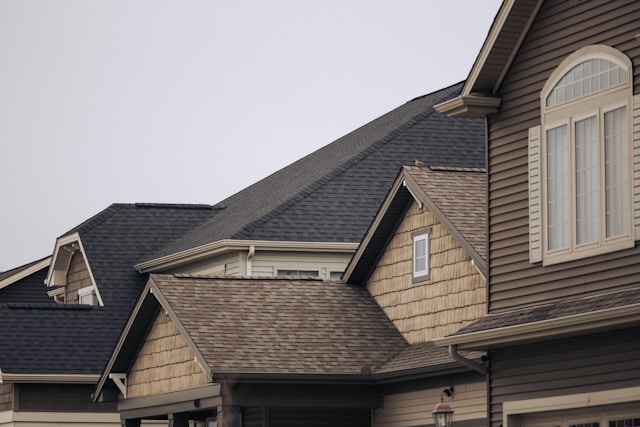

When homeowners think about their roof, they often focus on shingles, tiles, or metal panels. While these materials form the visible surface of the roof, there are several other components working behind the scenes to keep water out of the home. One of the most important of these components is roof flashing.
Roof flashing is a key part of a roofing system because it helps protect areas where water is most likely to enter. Without properly installed flashing, even a well-built roof can develop leaks over time.
Understanding what roof flashing is and how it works can help homeowners better appreciate the role it plays in protecting their home.
What Roof Flashing Is
Roof flashing is a thin piece of material—usually metal—that is installed around roof features and edges to direct water away from vulnerable areas. Flashing creates a barrier that prevents water from seeping underneath roofing materials.
Because roofs are not completely flat surfaces, there are several places where shingles or other roofing materials are interrupted. These interruptions include chimneys, vents, skylights, and roof valleys. Flashing is used in these areas to ensure water flows safely off the roof.
Most roof flashing is made from durable metals such as aluminum, galvanized steel, or copper. These materials are chosen because they resist corrosion and can withstand years of exposure to weather.
Why Roof Flashing Is So Important
The primary purpose of roof flashing is to prevent water intrusion. While roofing materials like shingles shed water across the surface of the roof, flashing protects the small gaps and transitions where leaks are most likely to occur.
Without flashing, rainwater could easily work its way beneath shingles and into the roof structure. Over time, this can lead to moisture damage, mold growth, and deterioration of the roof decking.
Properly installed flashing ensures that water is directed away from these vulnerable areas and continues flowing safely down the roof and into the gutter system.
Common Areas Where Roof Flashing Is Installed
Flashing is installed in several key locations across a roof. These areas are where different roof surfaces meet or where objects pass through the roof.
Chimneys
Chimneys are one of the most common areas where flashing is required. Because a chimney passes through the roof surface, it creates a joint where water could potentially enter.
Flashing is installed around the base of the chimney to seal this joint and guide water away from the structure.
Roof Valleys
A roof valley is the area where two roof slopes meet. Because rainwater naturally flows toward these valleys, they handle a significant amount of water during storms.
Metal flashing is typically installed along the valley to provide extra protection and ensure water drains smoothly off the roof.
Roof Vents
Many homes have roof vents that allow air to circulate through the attic space. These vents pass directly through the roof surface.
Flashing is installed around each vent to seal the opening and prevent water from entering the attic.
Skylights
Skylights add natural light to a home, but they also create an opening in the roof. Flashing is carefully installed around the edges of skylights to ensure that rainwater cannot seep into the home.
Roof Edges
Flashing is also installed along the edges of roofs to guide water into gutters and prevent it from entering beneath the roofing materials.
Types of Roof Flashing
Several different types of flashing are used in residential roofing systems. Each type is designed for a specific purpose and location on the roof.
Step Flashing
Step flashing is commonly used where a roof meets a vertical wall. It consists of small pieces of metal installed in a layered pattern with shingles to create a watertight barrier.
Valley Flashing
Valley flashing is installed in roof valleys where two roof slopes meet. It helps guide large volumes of water down the roof without allowing moisture to penetrate beneath the roofing materials.
Vent Pipe Flashing
Vent pipe flashing is designed to seal around plumbing vents that extend through the roof. These flashing pieces are typically shaped to fit snugly around the pipe.
Chimney Flashing
Chimney flashing often consists of multiple components that work together to seal the base of the chimney. These pieces ensure water flows away from the joint between the chimney and the roof.
How Flashing Works With Roofing Materials
Flashing works in combination with other roofing materials to create a complete waterproof system. Shingles or tiles provide the main surface protection, while flashing reinforces areas where water could potentially enter.
Roofers install flashing underneath or alongside roofing materials so that water flows naturally over the flashing and off the roof.
This layered approach helps ensure water always moves downward and away from the home.
Signs Roof Flashing May Need Attention
Over time, flashing can experience wear due to weather exposure. Homeowners may occasionally notice signs that flashing needs inspection or maintenance.
Possible signs include:
- Rust or corrosion on metal flashing
- Cracked sealant around flashing edges
- Loose flashing pieces
- Water stains near chimneys or skylights
- Visible gaps where flashing meets roofing materials
If any of these signs appear, a professional roof inspection can help determine whether repairs are needed.
How Roof Inspections Evaluate Flashing
Roof inspections often include a careful evaluation of flashing because it plays such an important role in preventing leaks.
During an inspection, roofing professionals may check:
- The condition of flashing around vents and chimneys
- The seal between flashing and roofing materials
- Signs of corrosion or damage
- Whether flashing has shifted or loosened
Identifying flashing issues early can help prevent water damage inside the home.
Flashing and Storm Protection
In areas like Austin where storms can bring heavy rain and strong winds, flashing provides an important layer of protection.
When installed correctly, flashing helps ensure that water continues flowing safely off the roof even during severe weather.
Strong flashing systems help protect vulnerable roof areas from leaks and water intrusion during storms.
Final Thoughts
Roof flashing is one of the most important yet often overlooked components of a roofing system. By sealing joints and directing water away from vulnerable areas, flashing helps protect the roof structure and interior of the home.
From chimneys and skylights to roof valleys and vents, flashing plays a critical role in preventing leaks and maintaining the long-term performance of the roof.
Understanding how roof flashing works allows homeowners to better appreciate the complexity of modern roofing systems and the importance of professional installation and maintenance.