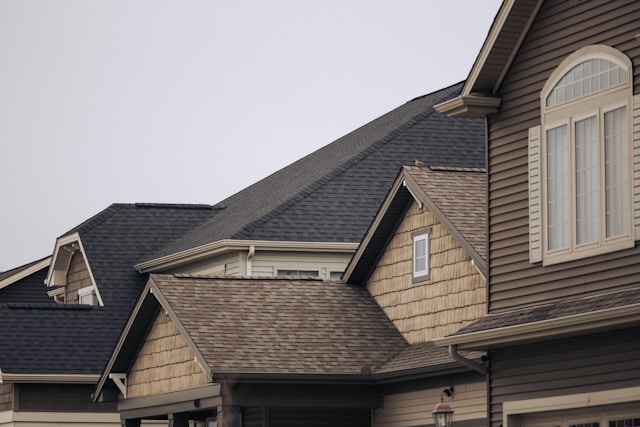

How to Prepare Your Roof for Storm Season in Austin
Storm season in Austin can bring heavy rain, strong winds, hail, and sudden weather changes. While roofs are designed to protect homes from the elements, severe weather can still cause damage if a roof is not properly maintained.
Preparing your roof before storm season arrives can help reduce the risk of damage and ensure your home stays protected during extreme weather. Taking a proactive approach allows homeowners to identify small issues early and address them before storms put additional stress on the roof.
Understanding how to prepare your roof for storm season can help extend the life of your roofing system and provide greater peace of mind when severe weather approaches.
Schedule a Professional Roof Inspection
One of the most effective ways to prepare your roof for storm season is to schedule a professional roof inspection. Roofing professionals are trained to identify potential issues that may not be visible from the ground.
During an inspection, contractors typically evaluate:
- The condition of shingles or roofing materials
- Flashing around chimneys, vents, and skylights
- Roof valleys and drainage areas
- Signs of wear or aging materials
- Potential storm vulnerabilities
Identifying small issues before storms arrive allows homeowners to make repairs that strengthen the roof against upcoming weather.
Check for Missing or Damaged Shingles
Shingles form the primary protective layer of many residential roofs. If shingles are loose, cracked, or missing, strong winds can easily lift additional shingles during a storm.
Before storm season begins, homeowners should visually inspect their roof from the ground and look for signs such as:
- Uneven or lifted shingles
- Shingles that appear curled or cracked
- Areas where shingles may be missing
If any damage is visible, a roofing professional can evaluate the area and perform repairs if necessary.
Clear Gutters and Downspouts
Gutters play an important role in directing rainwater away from your roof and home. When gutters become clogged with leaves, debris, or dirt, water may not drain properly.
During heavy storms, clogged gutters can cause water to back up onto the roof or overflow along the roofline.
Cleaning gutters before storm season helps ensure:
- Rainwater flows freely through the drainage system
- Water does not pool on the roof
- The foundation of the home is protected from excess runoff
Regular gutter maintenance can significantly reduce the risk of water-related roof issues.
Trim Nearby Trees
Trees provide shade and curb appeal for many homes, but branches that extend over the roof can pose a risk during storms.
Strong winds can cause branches to break or scrape against roofing materials. In some cases, large branches may fall directly onto the roof during severe weather.
Trimming back overhanging branches helps reduce the risk of impact damage and prevents debris from accumulating on the roof.
Inspect Roof Flashing
Flashing is installed around roof features such as chimneys, skylights, and vents to prevent water from entering the roof structure.
Because flashing seals areas where roofing materials meet other structures, it plays a critical role in preventing leaks.
Before storm season, it’s helpful to ensure that flashing is secure and properly sealed. Professional roof inspections often include checking flashing for:
- Loose or lifted metal pieces
- Cracked sealant
- Signs of corrosion or wear
Addressing flashing issues before storms arrive helps ensure these vulnerable areas remain protected.
Check Roof Ventilation
Proper roof ventilation helps regulate temperature and moisture inside the attic space. During storm season, balanced ventilation can also help maintain the overall health of the roofing system.
Ventilation systems typically include intake vents along the eaves and exhaust vents near the ridge of the roof.
Ensuring vents are unobstructed allows air to circulate properly through the attic, which supports the performance of roofing materials and reduces moisture buildup.
Look for Signs of Previous Storm Damage
If your home experienced storms earlier in the year, it’s possible that minor roof damage may already exist.
Small hail impacts or lifted shingles can weaken roofing materials even if leaks have not yet appeared.
A roof inspection can identify signs of previous storm damage such as:
- Granule loss on asphalt shingles
- Dented metal vents or flashing
- Damaged ridge caps
- Subtle shingle bruising from hail impacts
Repairing these issues before the next storm arrives helps strengthen the roof against future weather events.
Check the Attic for Moisture
Roof preparation isn’t limited to the exterior of the home. The attic can also reveal important clues about the condition of your roof.
Homeowners may occasionally check their attic for signs such as:
- Water stains on rafters or insulation
- Damp insulation
- Signs of mold or mildew
- Light coming through roof boards
These indicators may suggest that the roof has areas that require attention before storm season.
Secure Loose Roof Components
Some roofs include features such as ridge caps, vent covers, and satellite mounts. Over time, these components can loosen due to weather exposure.
Strong winds during storms may cause loose components to shift or detach.
A professional roof inspection can help identify and secure any loose elements before storm conditions arrive.
Why Preparation Matters
Preparing your roof before storm season can make a significant difference in how well it performs during severe weather.
Preventive maintenance helps ensure that roofing materials, flashing, and drainage systems are working together properly.
Taking a proactive approach allows homeowners to reduce potential risks and protect their homes from avoidable storm damage.
Final Thoughts
Storm season is a reality for homeowners in Austin, but preparing your roof in advance can help reduce the likelihood of damage.
By scheduling inspections, maintaining gutters, trimming trees, and addressing minor issues early, homeowners can strengthen their roofs and improve their home’s ability to withstand severe weather.
With the right preparation, your roof can continue providing reliable protection throughout storm season and beyond.