How Often Should You Inspect Your Roof in Austin?
Most Austin homeowners inspect their roofs too rarely — and catch problems too late. Here's the schedule that actually protects your home in Central Texas.
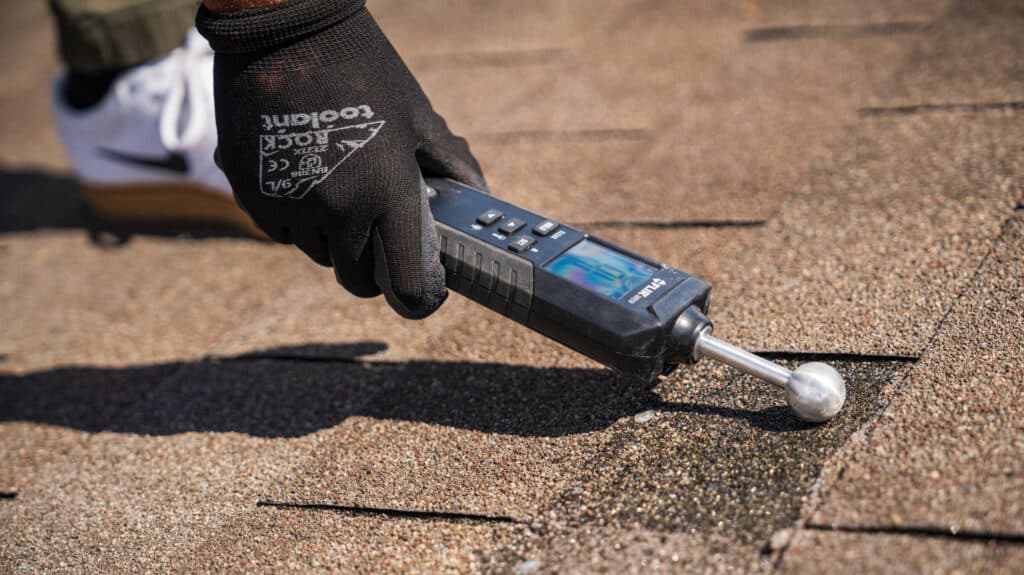
The most expensive roofing repairs in Austin share a common origin: a small problem that wasn't caught until it became a large one. A missing shingle becomes a deck rot situation. A compromised flashing becomes water in the walls. A storm-damaged ridge becomes an insurance claim denied because the homeowner waited too long to document the damage.
The solution is a consistent inspection schedule. Here's what Austin Roofers recommends for Central Texas homes.
The Austin Roof Inspection Schedule
Twice Per Year — Spring and Fall
At minimum, schedule two professional roof inspections per year:
Spring (March–April): Before hail season peaks. This timing lets you identify any winter damage — shingles cracked by rare ice events, flashing shifted by thermal cycling — and get your roof into good shape before the spring storm season. If a major hail event strikes in April or May, you'll already have a documented baseline of your roof's condition before the storm, which is valuable for insurance purposes.
Fall (October–November): After summer. Austin summers are brutal on roofing materials. UV radiation accelerates granule loss on asphalt shingles, and thermal expansion and contraction stress flashing seals and ridge caps. A fall inspection catches summer wear before it compounds through the winter rainy season.
After Any Major Storm — Within 72 Hours
After a storm that produced:
- Hail of any size (particularly ¾ inch or larger)
- Sustained winds over 50 mph
- Falling trees or large branches
- Significant rain for extended periods (flooding events)
Request an inspection within 72 hours. Texas insurance carriers have strict filing deadlines, and the connection between storm damage and your specific event becomes harder to establish the longer you wait. Austin Roofers offers free post-storm inspections with priority scheduling for Austin metro homeowners.
When You Notice Warning Signs
Don't wait for a scheduled inspection if you observe:
- Water stains on ceilings or interior walls, especially after rain
- Granules in your gutters (looks like dark sand)
- Shingles that are visibly cracked, curling, cupping, or missing
- Daylight visible through your attic boards
- Algae or moss growth (dark streaks on shingles)
- Flashing that's lifted, rusted, or separated from surfaces
Any of these warrants a call, not a wait.
What Professional Inspectors Check That You Can't See From the Ground
A DIY visual check from the ground catches the obvious problems. A professional inspection catches everything else:
Shingle condition: Granule loss patterns, nail pops, micro-cracking from UV exposure, and the subtle bruising caused by hail impact that's invisible except up close.
Flashing integrity: Step flashing at chimneys, dormers, and skylight curbs; pipe boot seals around plumbing penetrations; drip edge condition at eaves and rakes. Flashing failures cause more leaks than shingle failures.
Ventilation: Blocked soffit vents trap heat and moisture in the attic, dramatically shortening shingle lifespan and creating conditions for mold. A professional checks airflow and calculates whether your ventilation meets code.
Decking condition: Soft spots, delamination, and rot in the OSB or plywood decking beneath the shingles. These are invisible until the shingles come off, but they can be detected by feel during a careful inspection.
Structural signs: Ridge line straightness, rafter damage, signs of settling or movement that may indicate structural issues beneath the roof.
The Cost of Skipping Inspections
We hear a version of this story regularly: a homeowner skips inspections for 4–5 years, then discovers a significant leak. When we remove the damaged shingles, we find not just the failed component but extensive deck rot from slow water infiltration that's been happening for years.
What would have been a $500 flashing repair becomes a $3,000–$8,000 deck replacement plus the roofing work. In some cases, water that reached the walls adds drywall and insulation costs.
Austin's heat also accelerates this cycle. Moisture that infiltrates a roofline in the morning can be driven into framing and insulation by afternoon heat, spreading damage faster than in cooler climates.
What a Professional Austin Roof Inspection Costs
Austin Roofers offers free roof inspections with no obligation. We provide a written report with photos documenting the condition of every component — useful both for your own records and for insurance purposes.
Our recommendation: schedule the spring inspection now, while the weather is mild and before the storm season rush begins. The earlier you identify issues, the more scheduling flexibility you have for repairs.
Schedule your free Austin roof inspection today — we serve Austin, Round Rock, Cedar Park, Georgetown, Pflugerville, Leander, and the surrounding Central Texas area.
Can You Inspect Your Own Roof?
You can do a useful preliminary check from the ground — and you should, especially after storms. Binoculars will show you missing or lifted shingles, sagging gutter runs, and debris accumulation in valleys. Inside, scan ceilings and closet corners for new stains, and look at the attic side of the decking with a flashlight if access is easy.
What a ground check can't do is find the damage that matters most. Hail bruising is a tactile finding — an inspector presses the shingle to feel a compromised mat. Failing pipe boots, cracked sealant at flashings, and nail pops are invisible from the driveway but are the leading causes of the leaks we repair. And walking a roof without fall protection and experience is genuinely dangerous, particularly on steep pitches or after rain.
The practical division of labor: homeowners watch from the ground between visits and call when something changes; professionals handle the on-roof inspection on the seasonal schedule above. Since our inspections are free and produce a written photo report, the cost of doing it properly is your time, not your money.
Quick Reference: Austin Roof Inspection Schedule
| Timing | Trigger | |---|---| | Spring (Mar–Apr) | Annual, before hail season | | Fall (Oct–Nov) | Annual, after summer heat | | Within 72 hours | After any hail, major wind, or storm event | | Immediately | Visible damage, leaks, or water stains inside | | Every 5 years minimum | For roofs 15+ years old | | Before buying or selling | Any real estate transaction |
Austin's Roof. Our Promise.
Get a free, no-obligation roof inspection from Austin's most trusted roofing contractor. We show up on time and deliver exactly what we promise.
Or call us directly
(512) 764-3547