How to Spot Hail Damage on Your Austin Roof
After a Central Texas hailstorm, your roof may be damaged even if it looks fine from the ground. Here's exactly what to look for — and when to call a pro.
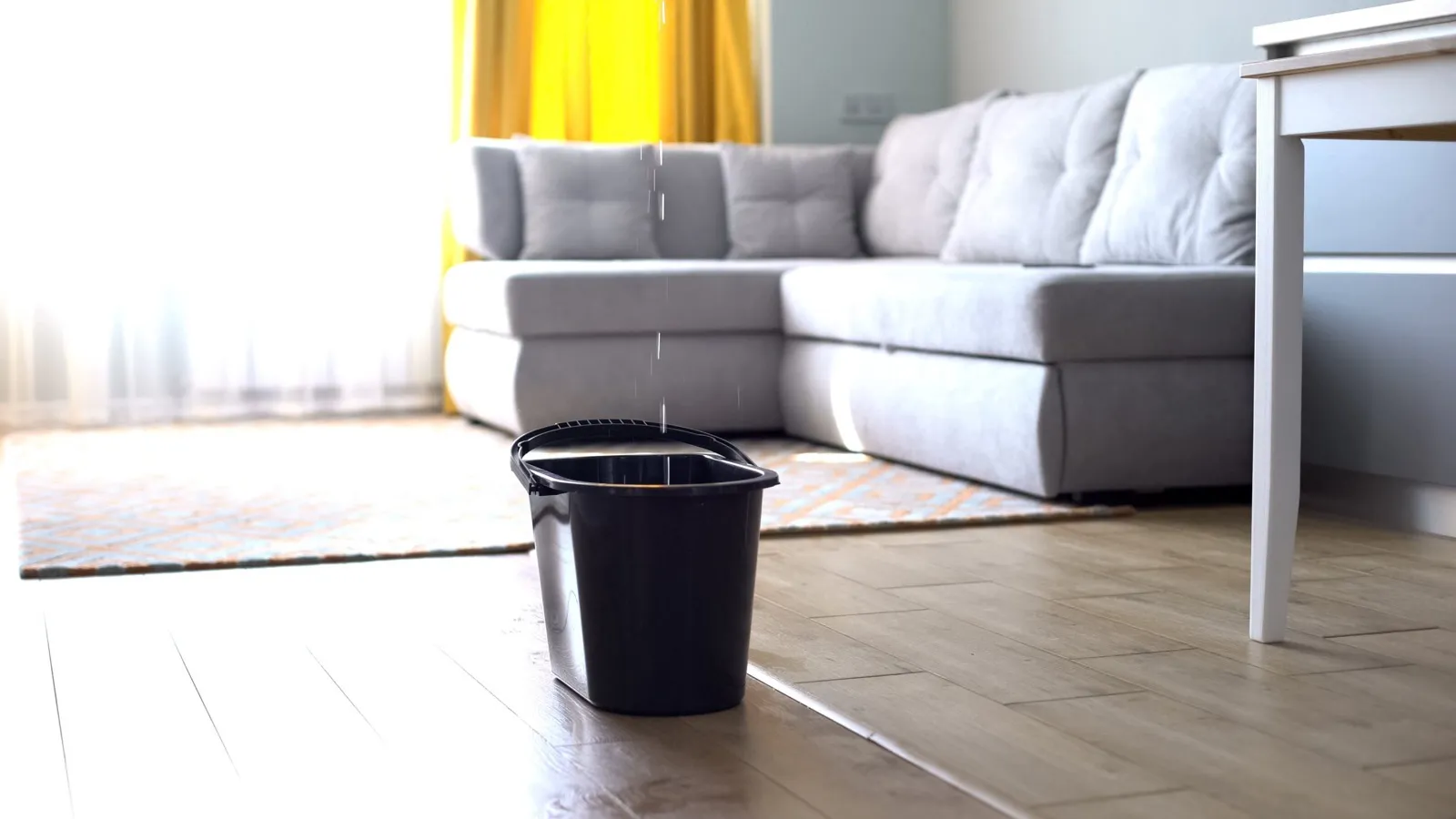
Central Texas gets hit with severe hailstorms every year — and Austin is no exception. The problem is that hail damage often isn't visible from the ground. Homeowners go months without knowing their roof is compromised, which leads to water intrusion, mold, and far more expensive repairs down the road.
Here's how to do a preliminary assessment after a storm, what to look for, and when to call a professional.
Signs of Hail Damage You Can Check From the Ground
You don't need to climb your roof to spot the early indicators. Start from the ground and work your way up.
1. Check Your Gutters and Downspouts
Walk your gutters after a storm. If you see:
- Granule loss — small, sand-like particles in your gutters or at the base of downspouts
- Dents on metal gutters or downspout caps
- Cracks or splits in vinyl gutters
…you almost certainly have shingle damage above. Asphalt shingles shed granules when impacted, and those granules end up in your gutters.
2. Inspect Your Window Screens and AC Unit
Hail hits horizontal and angled surfaces hardest. Before you look at your roof, check:
- Window screens — small round holes or tears in a scatter pattern mean hail was large enough to damage your shingles
- AC condenser fins — dents on the metal fins of your outdoor unit are one of the most reliable indicators of significant hail impact
If your AC unit is dented, your roof needs to be inspected immediately.
3. Look at Your Siding and Painted Wood Trim
Hail leaves round impact marks on soft surfaces. Look for circular dents or chipped paint on:
- Wood fascia boards
- Painted siding
- Garage door panels
What Roof Hail Damage Actually Looks Like
If you can safely access a single-story roofline with a ladder, here's what to look for on the shingles themselves.
Bruising
Press lightly on a shingle. If it feels soft or spongy beneath the surface, the mat underneath has been compromised. This is called bruising and it's not always visible — it's a tactile inspection.
Circular Granule Loss
The most common sign of hail damage is circular areas of bare asphalt where the protective granules have been knocked off. These spots are darker than the surrounding shingle and expose the asphalt to UV damage and moisture.
Cracked or Split Shingles
Larger hail (1" or greater) can crack or split shingles outright. You'll see clean breaks, often with the crack running through the granule layer into the asphalt mat beneath.
Dented Flashing
Check any exposed metal flashing around chimneys, vents, skylights, and valleys. Metal dents are definitive proof of significant hail impact — and these are often the first places leaks develop.
What Hail Damage Is NOT
Not everything you find on your roof is hail damage. Insurance adjusters are trained to spot the difference, and so are experienced roofers.
- Blistering — bubbles in shingles caused by heat and manufacturing defects, not hail
- Cracking from age — hairline cracks that follow the shingle's grain are usually thermal deterioration
- Foot traffic damage — irregular marks without the circular impact pattern of hail
Knowing the difference matters for your insurance claim.
When to Call a Professional
Call a roofer immediately if:
- Your area received hail 1" or larger (golf ball = 1.75")
- You see granules in your gutters after the storm
- Your AC unit or window screens show impact damage
- You notice any new water stains on your interior ceilings
Even if you can't see obvious damage, a professional inspection is worth it after any significant storm. Hail damage is cumulative — a roof that's been hit twice is far more vulnerable than the individual impacts suggest.
Why Hail Damage Gets Worse After the Storm Passes
Hail damage is unusual among roof problems in that the worst consequences arrive on a delay. A bruised shingle usually keeps shedding water for months — sometimes a year or more — so nothing shows up on your ceiling and the storm fades from memory. Meanwhile, three things are happening on the roof.
First, the bare spots where granules were knocked away leave the asphalt mat exposed to Texas UV, which dries it out and accelerates cracking exactly where the shingle is already weakest. Second, every rain works moisture a little deeper into bruised mats and hairline splits. Third — and this is the part that hurts at claim time — the visible evidence weathers away. The circular impact marks that clearly said "hail" in the week after the storm gradually blur into general wear, and tying the damage to a specific date becomes much harder for you and much easier for a carrier to dispute.
That's the practical argument for inspecting promptly even when the roof seems fine: you're preserving evidence while it still reads as evidence.
What a Professional Hail Inspection Actually Involves
A proper post-storm inspection is more methodical than a walk around the shingles. Here's what ours covers:
- Test squares — we examine measured sections on each roof slope and count impacts, because adjusters evaluate damage per slope, not per roof
- Every slope, not just the windward one — hail rarely falls straight down, and the storm's direction determines which slopes took the hit
- Soft metals — vents, flashing, drip edge, and gutters record impacts more reliably than shingles and help establish hail size
- Photo documentation of everything — each finding is photographed with context, so the report stands on its own months later
- The honest call — if the damage doesn't justify a claim, we say so; a claim on your record for damage below your deductible helps no one
You get the full report either way. If a claim is warranted, that report is formatted the way adjusters expect to see damage documented.
Common Questions After an Austin Hailstorm
Does hail damage always mean a full roof replacement? No. Insurance outcomes follow the damage distribution — widespread impacts across multiple slopes typically support replacement, while isolated damage may only support repairs to the affected areas.
Can I just wait and see if a leak develops? You can, but you're trading a free inspection now for weakened evidence later. If the bruising leaks in year two, connecting it to the storm becomes genuinely difficult.
Should I sign with the door-knocker who found damage on my roof? Be careful. After major Austin hail events, out-of-town crews canvass hard-hit neighborhoods. Never sign anything on a first visit, and get your inspection from an established local company whose reviews and history you can verify.
Will my premiums go up if I file? In Texas, rates are driven largely by regional hail activity — your ZIP code's storm history affects premiums whether or not you personally file. Your agent can speak to your specific policy.
Austin Roofer Offers Free Post-Storm Inspections
After a hailstorm, we'll send a certified inspector to document every impact point with photos and give you a full report — at zero cost, with zero obligation to book repairs. We also work directly with your insurance company if a claim is warranted.
Austin's Roof. Our Promise.
Get a free, no-obligation roof inspection from Austin's most trusted roofing contractor. We show up on time and deliver exactly what we promise.
Or call us directly
(512) 764-3547